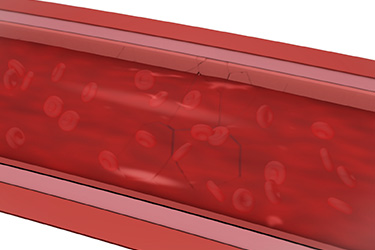
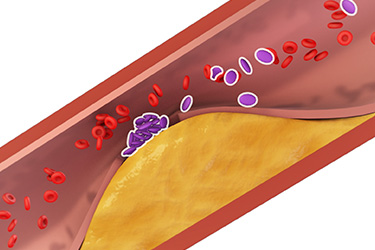
Learn what vascular disease is, the risks associated with it and the possible complications caused by atherosclerosis.
Watch this video to learn what raises the risk for having a heart attack or stroke and how you can lower your risk.
Watch this video to understand how to make changes to keep your heart healthy.
Watch this video to understand how having social support can be helpful in making heart-healthy choices.
Watch this video to learn lifestyle changes that can help lower your risks for coronary artery disease.
Watch this video to understand ways to lower the risk of heart attack by adopting a heart-healthy lifestyle.
Understand what types of risk factors you cannot control and the importance in knowing them so you and your healthcare team can create the best plan for you.
Understand what types of risk factors you can control and the importance in knowing them so you and your healthcare team can make a plan to change them.
Learn the benefits quitting smoking has for the heart.
Watch this to learn how sleep and heart health are related.
Understand the importance of working with your healthcare provider to identify and control your risk factors, in order to lower the risk of serious complications of vascular disease.
Learn how various lifestyle changes can help to lessen your vascular disease risk factors and improve your overall health.
Watch this video to learn how to start eating foods that are good for your heart.
Watch this to recognize the serious complications metabolic syndrome can cause, understand the parts of metabolic syndrome and what lifestyle changes you can make to help manage it.
Know what puts you at risk for heart disease. Learn what changes can help control your risk. Then start with one change that you think might be easiest for you.
Quitting smoking is one of the best things you can do to keep your heart disease from getting worse. Here are some helpful tips to get you started.
The higher your blood cholesterol, the greater your risk for heart attack or stroke. That's why you need to know your cholesterol level. Read on to learn how to assess your health risks.
Risk factors are things that make you more likely to have a disease or condition. Find out about risks you might have for high blood pressure and which ones you can change.
Some risk factors for heart disease are beyond your control. But others you can control, such as smoking and high blood pressure.
Some risk factors can't be controlled, such as age or family history of heart disease. But most others can be managed by making lifestyle changes and taking medicines.
Watch this video to understand the basics about high blood pressure.
Watch this to learn what hypertension is.
Watch this to learn about blood pressure and your risks for high blood pressure.
Watch this to learn how hypertension (high blood pressure) affects your body.
Learn about the risk of high blood pressure and the importance of getting your blood pressure checked regularly.
Watch this video to understand how home blood pressure monitoring can help manage a condition.
Watch this to understand the meaning of a blood pressure reading.
Watch this video to learn what pulmonary hypertension is.
Watch this clip to learn about a blood pressure management plan and what can be included in it.
Watch this video to understand how healthy lifestyle changes can help lower blood pressure.
Watch this to know some tips and strategies for living with high blood pressure.
Watch this checklist to learn important do's and don'ts for taking your blood pressure medicine safely.
Watch this video to learn how lifestyle changes can help you manage your high blood pressure.
Watch this to learn about the DASH Eating Plan.
Understand the importance of getting support from your healthcare provider and others while learning to manage your high blood pressure.
Learn how stress and high blood pressure are related.
Learn about some simple steps to controlling hypertension.
High blood pressure (hypertension) is called the silent killer. This is because many people who have it don't know it. You can take an easy test to see if your blood pressure is too high. If it is high, you can take steps to lower it. Doing so could save your life.
You can take your own blood pressure reading using a digital monitor. Follow these step-by-step directions.
High blood pressure is known as the "silent killer" because it often has no symptoms. Healthy changes can help you lower your blood pressure.
African Americans are at a higher risk for high blood pressure than other ethnic groups. Read on to learn why, and how making certain lifestyle changes can help lower blood pressure.
Permissive hypertension means letting a person's blood pressure stay higher than normal for a short time. It's done on purpose by doctors in the hospital.
Watch this video to understand how natural processes in the blood vessels can become a problem and cause a heart attack.
Learn what cholesterol is and the dangerous effects and complications that high blood cholesterol can have within the body.
Watch this to learn about the purpose of a lipid panel.
Watch this video to understand how cholesterol numbers are one part of the total risk for heart attack and stroke.
Watch this to learn about the parts of a cholesterol management plan.
Follow this checklist and stick to these do's and don'ts to help you make that improve your cholesterol levels.
Watch this video to learn how a heart-healthy lifestyle can help lower cholesterol and reduce your risk of heart attack and stroke.
Watch this to learn how to identify healthy foods to help manage your cholesterol.
Learn how regular physical activity and exercise is a significant part in managing your blood cholesterol.
Learn how statin medications work to lower the amount of cholesterol in your blood; lowering your risk of heart attack, stroke and other blood vessel diseases.
Learn to recognize important do's and don'ts for taking your cholesterol medicine safely.
Learn about healthy ways to quit smoking to control your cholesterol and improve your overall health.
Understand how folic acid can help you lower your risk of a heart attack.
Millions of American adults have cholesterol levels higher than the recommended range. Managing your cholesterol is critical to good health. Learn the difference between good and bad cholesterol, and how exercise and diet make a difference.
Watch this to learn about cholesterol and other risk factors for heart disease and ways you can reduce your risk.
High cholesterol can sometimes be treated with a change in diet or increased exercise. Find out what can make a difference.
Making changes to diet and increasing exercise doesn't always lower high cholesterol, doctors often add medications to help reach the goal. Find out about the different options available.
Exercise, quitting smoking, and taking your medicines right can help you control your cholesterol.
The higher your total cholesterol number, the more likely it is that cholesterol will build up in your blood vessels. This sheet can help you track your cholesterol numbers.
Your body needs cholesterol to build new cells and create certain hormones. But too much cholesterol is not good for you. Here's a helpful guide to understanding cholesterol, and creating a low-cholesterol diet.
High cholesterol is called hypercholesterolemia. Cholesterol and dietary fat are not the same thing. It's important to understand how the fat in your diet affects your cholesterol levels.
Stress echocardiography, or stress echo, is a test that records images of your heart before and after exercise. Here's what you can expect before, during, and after the test.
Transesophageal echocardiography (TEE) is a test that allows your doctor to record images of your heart from inside your esophagus, or food pipe.
Holter monitoring is a painless way to record your heartbeat away from your healthcare provider's office. It's a small electrocardiogram (ECG) that you carry with you. Holter monitoring records your heartbeat for your provider to review at a later time.
Event monitoring is a painless way to record your heartbeat. The monitor is a small electrocardiogram (ECG) that you carry with you. It records your heartbeat for your provider to review at a later time.
CCTA is a type of imaging test that can detect blockages in the arteries of the heart.