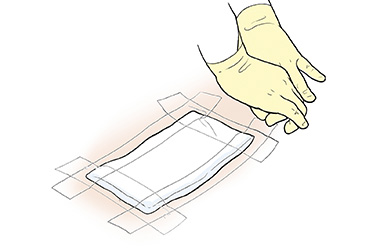
Here are the steps for changing a surgical wound dressing.
Watch this video to learn what informed consent is and why it's important.
Watch this video to learn how to bathe with chlorhexidine gluconate or CHG at home before a surgery.
Watch this to learn how to calm your mind before a procedure.
Watch this video for tips on how to prepare for surgery.
Watch this to know how you can prepare at home before surgery.
Watch this video to learn how to prepare for surgery when you have Diabetes.
Watch this to learn how to shower with CHG liquid soap before surgery.
Watch this video to learn what Nothing by Mouth or NPO means and why it's important to follow your healthcare provider instructions before testing or a procedure.
Watch this to know what to expect on the day of your surgery and for the remainder of your hospital stay.
Watch this video to learn about sedation and how to prepare when you need to have sedation.
Watch this video to learn the basic details of what happens during a laparoscopy procedure.
Watch this to understand your recovery from surgery at home, including pain management and signs of possible complications after your surgery.
Watch this video to learn how to take care of yourself after surgery, including how to spot infections, manage your medications, and stay active safely to help your recovery.
Watch this video to learn how to use a negative pressure device and know when to seek care.
Watch this video to learn how to pack a wound at home.
Watch this video to learn the instructions to care for stitches and help them heal properly.
Watch this to learn the facts behind some common concerns about hysterectomy.
Here are some tips for feeling better and getting well after surgery.
Surgery is a complex process. There's a lot you can do as a patient to help your health care team keep you safe. This sheet suggests steps you can take before and after surgery to help you do your part.
No matter how your incision was closed, follow these tips to help your incision heal once you get home.
Make life easier and safer after surgery. Reduce household hazards now. By planning ahead now, you'll have less to worry about during recovery.
After surgery, there are steps you can take to help with your recovery. You may have been an inpatient (staying in the hospital overnight) or an outpatient (going home the day of surgery). While in the hospital, it is important to follow directions from your surgeon, nurse, and other health care providers.
A drainage tube removes fluid from around an incision. This helps prevent infection and promotes healing. Follow these instructions.
Dressing your incision helps keep it clean, dry, and infection-free. That way it will heal faster. Here are steps to follow.
Some people feel a little nauseated after surgery. This is often due to medicines, dehydration, or simply the stress of surgery. Follow these helpful tips.
You are scheduled to have surgery. The health care staff will try to make your stay comfortable. Use the guidelines below to remind yourself what to do before surgery.
Pain after an operation (post-op pain) is common and expected. These guidelines can help you stay as comfortable as possible.
Medicines are not the only way to manage pain after surgery. Try the following techniques.
Outpatient surgery is also called same-day or ambulatory surgery. This sheet gives you more information about how to prepare.
If your movement is limited during recovery, ask a family member or friend to help prepare your bathroom. Use the tips below as a guide to help keep you safe in the bathroom.
This sheet tells you more about surgical site infections, what hospitals are doing to prevent them, and how they are treated if they do occur. It also tells you what you can do to prevent these infections.
Most children need pain management in the hospital. Your child's health care provider will assess your child's pain and prescribe pain medicine as needed. You can alert the health care team if you notice any signs of pain or discomfort in your child.
Follow these tips to help your child's incision heal as it should and to help prevent infection.
This sheet will help you learn what to expect after your outpatient surgery. It covers medicines, recovering at home, and follow-up care.
Here are images showing how to change the dressing on a surgical wound or incision.
Pain is expected after surgery. Know that you have a right to have this pain controlled. Managing pain helps you recover faster. Read on to learn more.
Robotic surgery doesn't mean that a machine does surgery instead of a person. It means that a surgeon uses the robotic tools to do surgery.
After any kind of surgery, many people have slow bowels and trouble urinating. This is common and lasts for a few days or so.
It's normal to feel anxious before having surgery. Here are some ways to make you feel more comfortable about your pending procedure.
Being as physically healthy as possible before surgery is important. It can help shorten your hospital stay and your total healing time.
Before your scheduled surgery, your care team may advise you to wash your body using a CHG skin cleanser. This helps reduce your risk for a surgical site infection.
1. Move the sliding goal marker as directed. 2. Sit up straight. 3. Hold the spirometer upright and at shoulder level. 4. Breathe out normally. 5. Place your lips around the mouthpiece. 6. Take a slow, deep breath in.
Watch this video to learn the types of anesthesia that may be used for a surgery or procedure.
Watch this video to learn the basics of epidural anesthesia and how it is given.
Watch this video to learn what a peripheral nerve block is and how it's given.
This sheet explains steps you may need to take to prepare for anesthesia.
Your surgeon will use monitored anesthesia care (MAC) during your upcoming surgery. This sheet tells you more about this type of anesthesia.
Your surgeon has decided that you'll receive regional anesthesia. This sheet tells you what to expect with this type of anesthesia.
Details about what to expect when you have anesthesia.
Your anesthesiologist gives you anesthetics (medicines to keep you comfortable and decrease your awareness of surgery) and monitors your condition to keep you safe during surgery. You will have 1 of 3 kinds of anesthesia during your surgery.
Procedural sedation is medicine to ease discomfort, pain, and anxiety during a procedure. Learn more about sedation and how to care for yourself afterward.
Malignant hyperthermia is a rare reaction to certain medicines used for general anesthesia. The problem is severe and life threatening, but it can be treated.
An interscalene block is a type of peripheral nerve block. It's a shot of numbing medicine that's given near the brachial plexus in the neck, near the collarbone. Learn how it's done, what to expect, and what the risks are.
An intercostal nerve block is an injection (shot) of medicine close to the intercostal nerves to numb the nerves and treat pain in your chest and upper belly. The intercostal nerves start at your spine and run underneath your ribs.
A peripheral nerve block is an injection (shot) of medicine to numb a part of your body before an operation, or to control pain right after an operation. It's a type of regional anesthesia.
A pudendal nerve block is an injection (shot) of medicine close to the pudendal nerve. It can numb the nerve and block pain. The pudendal nerve runs from the back of your pelvis to the muscles and skin in your anus and your vagina or penis.
Watch this video to learn what happens during a kidney transplant and how to prepare.
Watch this video to learn what to expect and how to care for yourself when you return home after a kidney transplant.
This sheet includes ways to protect yourself from infection after your transplant. You will continue these precautions until your health care provider tells you to stop. You may need to follow these guidelines for the rest of your life.
CMV is a common viral infection. In most people, it doesn't cause serious symptoms. But if you've had an organ transplant, it can cause serious illness.
People who get an organ transplant (organ recipients) and people who donate an organ (organ donors) are less healthy if they smoke cigarettes.
Organ rejection is when your immune system attacks a transplanted organ. It's most common early, but can happen anytime. Watch for fever, pain or swelling, trouble breathing, less urine, sudden weight gain, or yellow skin or eyes.
Medicine adherence means taking your medicines exactly as directed. It's very important for people with an organ transplant. After an organ transplant, you need to take anti-rejection medicines every day for the rest of your life.
After an organ transplant, you take anti-rejection medicines. These medicines weaken your immune system so that it doesn't attack your new organ. But a weaker immune system also raises your risk for infection.
Depression is a mental health condition that causes you to feel sad, lose interest in activities that you used to enjoy, withdraw from others, and have little energy. It's different from normal feelings of sadness, grief, or low energy.
Foodborne illness, or food poisoning, is illness from eating food that is contaminated. The food may have harmful bacteria, parasites, or viruses. Or it may have poisons (toxins).